Interview with Mr. Blendi Gonxhja, the Minister of Tourism, Culture and Sports of Albania: Tourism as the Engine of Albania’s Economic Rise

Miodrag Spahić - May 27, 2026
Albania is evolving from a hidden gem into a premier Mediterranean destination. In this interview, we speak with Minister Blendi Gonxhja about the vision for high-value tourism, sustainability, and the milestones shaping Albania’s future as a leading regional hub. Read further to discover how the nation is transforming its global tourism appeal.
“We have moved beyond simply increasing visitor numbers and are now focused on attracting higher-value tourism that benefits the economy and local communities.”
Q. Albania has seen remarkable growth in tourism in recent years. What are the key strategic policies your ministry has implemented that have driven this success – and how do you plan to sustain momentum in the coming years?
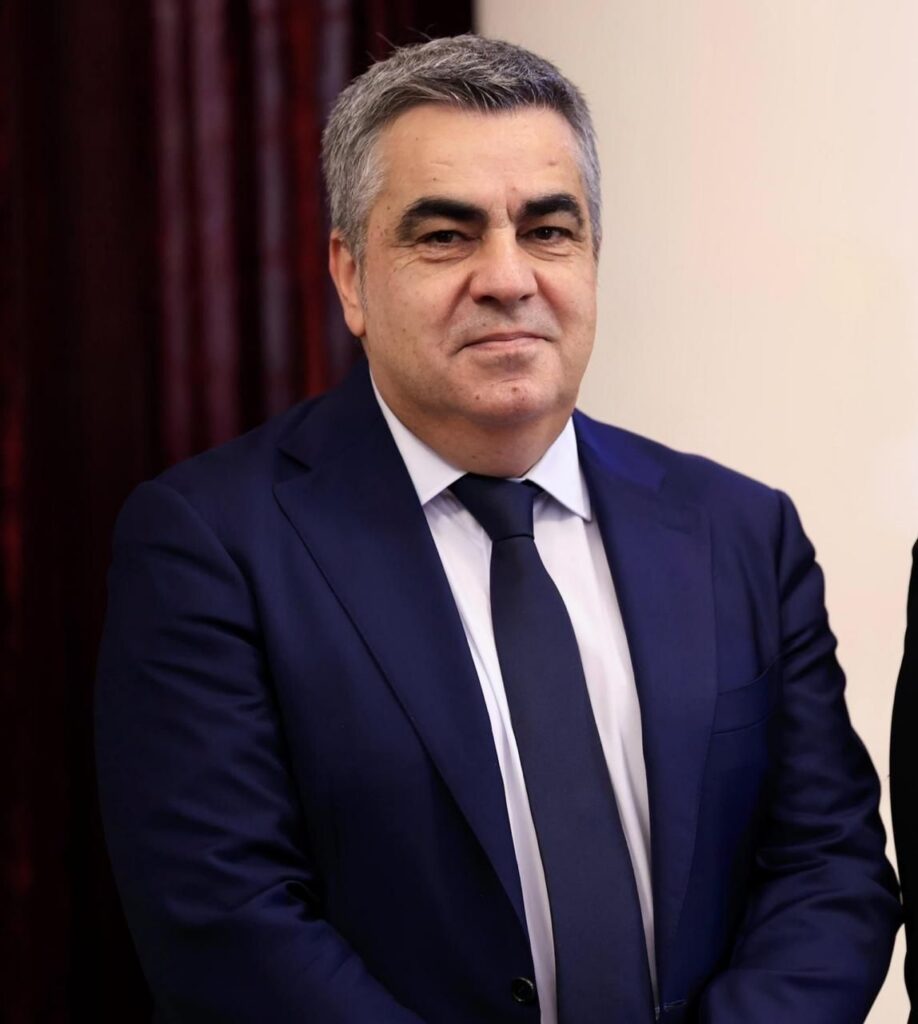
A. Mr Blendi Gonxhja: Albania’s tourism growth in recent years is the result of a clear and consistent strategy focused on infrastructure, international promotion, and improving the overall quality of the tourism offer. We have moved beyond simply increasing visitor numbers and are now focused on attracting higher-value tourism that benefits the economy and local communities.
A key driver has been investment in accessibility. The expansion of Tirana International Airport Mother Teresa has significantly increased connectivity with European markets, while major investments in road infrastructure have improved access across the country, making it easier for visitors to explore both coastal and inland destinations. At the same time, Albania is attracting international hotel brands, which are raising service standards and strengthening the country’s credibility as a tourism destination.
Promotion has also played a central role. We have increased Albania’s visibility in international media and strengthened our presence in major tourism fairs such as ITB Berlin and FITUR Madrid, helping position Albania as a unique and competitive destination in the Mediterranean.
Looking ahead, our priority is to sustain this growth responsibly by continuing investments in infrastructure and quality, while diversifying tourism areas such as cultural, nature, and sports tourism. The objective is to build a year-round tourism economy that creates long-term value and preserves Albania’s natural and cultural assets.
Q. Tirana International Airport has become a very dynamic hub, and are there plans for a new airport in the south. Could you outline how this airport development will enhance international connectivity, regional access, and Albania’s competitive positioning in tourism?
A. The development of air connectivity is one of the strongest drivers of Albania’s tourism growth, and the results in 2025 clearly reflect this progress. Tirana International Airport Mother Teresa handled around 12.5 million passengers in 2025, confirming its position as the busiest airport in the Western Balkans and a rapidly growing regional hub.
A key milestone has been the launch of long-haul connections, including flights linking Tirana with Canada, marking an important step in expanding Albania’s reach beyond the European market. At the same time, direct flights to New York are expected to start soon, which will be a transformative development, positioning Tirana as a strategic hub connecting North America with the Western Balkans.
The airport now offers over 100 direct routes, supported by both low-cost and full-service airlines. Carriers such as Wizz Air and Ryanair continue to expand, while airlines like Lufthansa and Turkish Airlines strengthen connectivity through major European hubs, increasing both frequency and accessibility.
Also, the development of Vlora International Airport represents a major step forward. This new airport will provide direct access to the Albanian Riviera, significantly reducing travel time to southern coastal destinations and supporting a better distribution of tourism flows across the country.
Together, these developments are enhancing Albania’s international connectivity, improving regional access, and strengthening its competitive positioning. With expanded long-haul connections, increased capacity, and the addition of Vlora airport, Albania is positioning itself as a key aviation and tourism hub in the Western Balkans.
Q. Albania has attracted many new international flight routes recently. Which source markets are currently growing fastest, and how are you working with airlines and partners to further expand Albania’s global reach?
A. What we are seeing today is that growth is very closely linked to the routes that are already performing the strongest. Italy and the United Kingdom clearly stand out, with routes like Milan and London being the busiest now. They are followed by cities such as Rome, Bologna, Vienna, Istanbul and Athens, which are important for regional connectivity.
This gives us a very clear picture of where demand comes from. Italy remains our largest market, while the UK has grown very quickly in recent years. At the same time, we are seeing strong momentum from Central and Eastern Europe, countries like Poland and the Czech Republic, as well as from the Nordics.
Our work with airlines is very practical and focused. We look at where demand is growing and support airlines in strengthening those routes, whether through joint promotion or coordinated campaigns in those markets. At the same time, we use these strong European connections as a bridge to long-haul markets. With flights already linking Albania to Canada and soon to New York, we are opening the destination to a completely new audience.
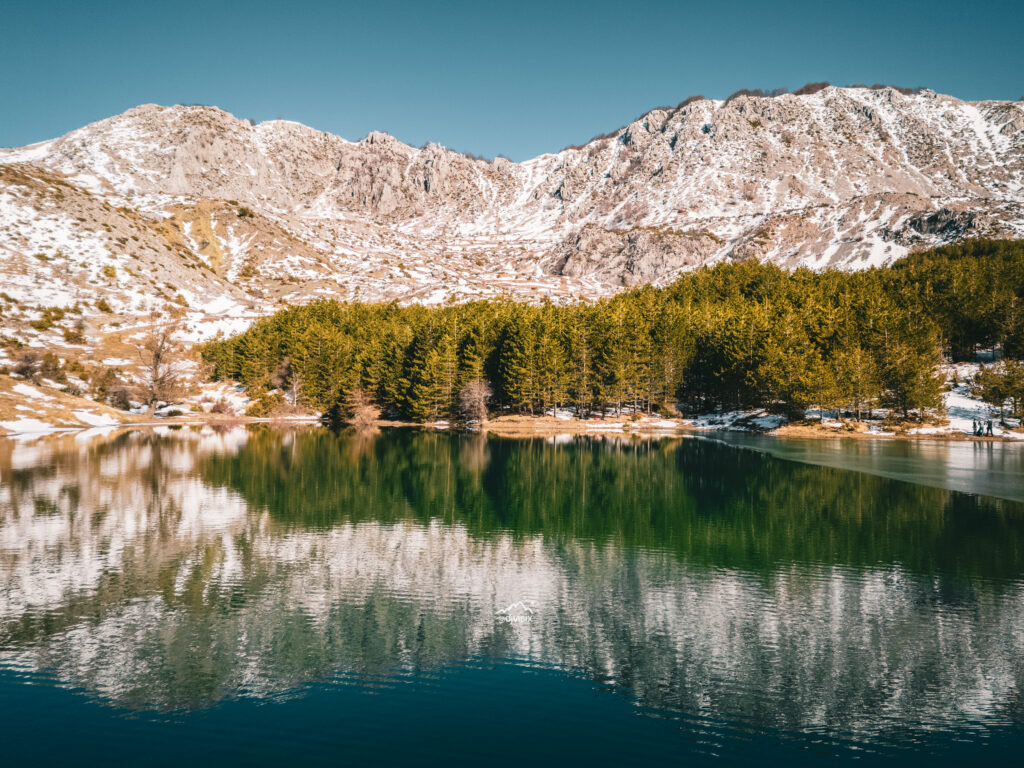
“A key driver has been investment in accessibility. The expansion of Tirana International Airport Mother Teresa has significantly increased connectivity with European markets, while major investments in road infrastructure have improved access across the country, making it easier for visitors to explore both coastal and inland destinations.”
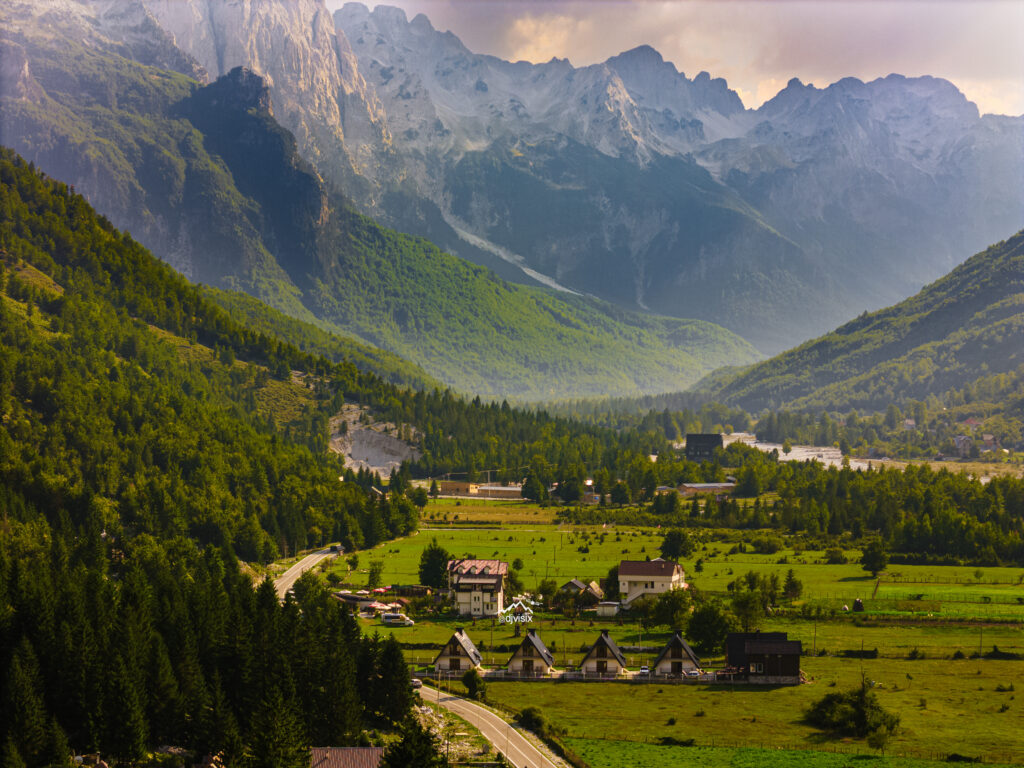
Q. We’re seeing large infrastructure projects — roads, coastal access points, and tourism facilities — underway across the country. How are government investments in infrastructure aligning with tourism development priorities, and what major milestones can we expect in the next 2–3 years?
A. Infrastructure investment in Albania is now closely aligned with how tourism is developing across the country. The priority has been to improve access to key destinations along the coast and inland, so visitors can move easily and experience more regions within one trip. This includes major road upgrades linking north to south, improved coastal access, and better connections to cultural and natural sites.
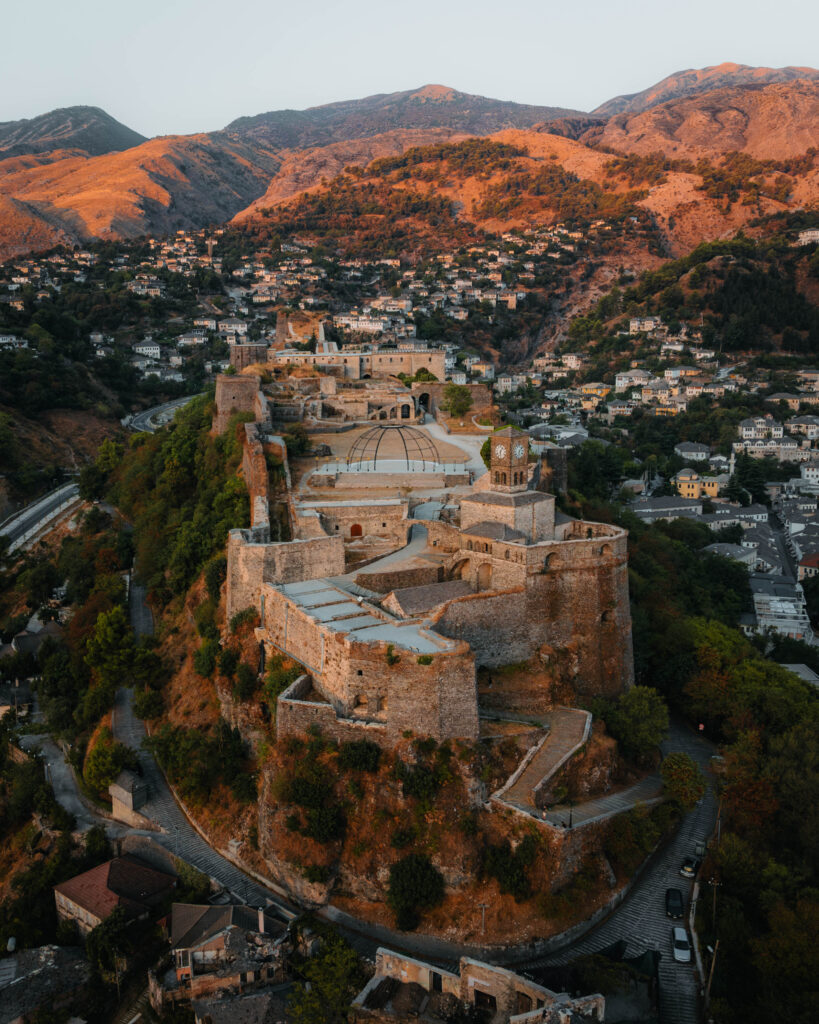
In the south, significant work is supporting the growth of the Albanian Riviera, with new road segments, upgraded public spaces, and improved access to beaches and coastal villages. At the same time, investments in cities like Shkodra, Berat, and Gjirokastra are focused on public spaces, heritage restoration, and visitor infrastructure that enhances the experience while preserving important transport projects such as the Tirana-Durres railway modernization, which will strengthen the link between the capital, the main port, and the airport. In parallel, new marina developments along the coast are opening Albania to nautical tourism, attracting a different and higher-value tourism offer.
In the upcoming years, key milestones will include the completion of strategic road corridors, further development of coast infrastructure, progress on the railway connection, and the operationalization of Vlora International Airport. At the same time, new international hotel projects and tourism facilities will continue to come online, supporting a more diversified and higher-quality tourism offer.
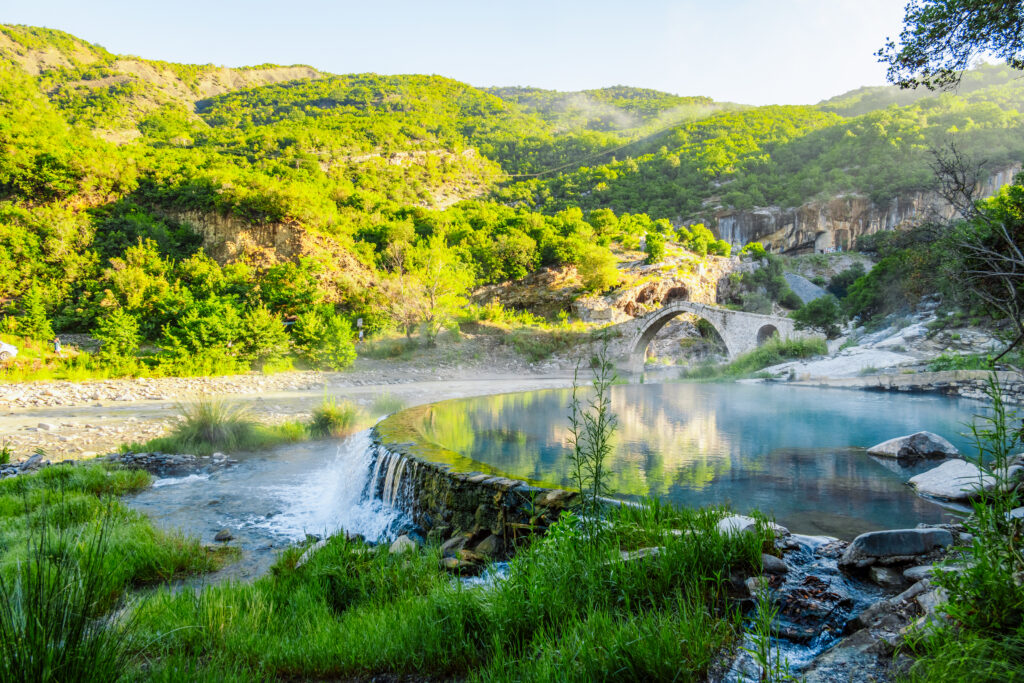
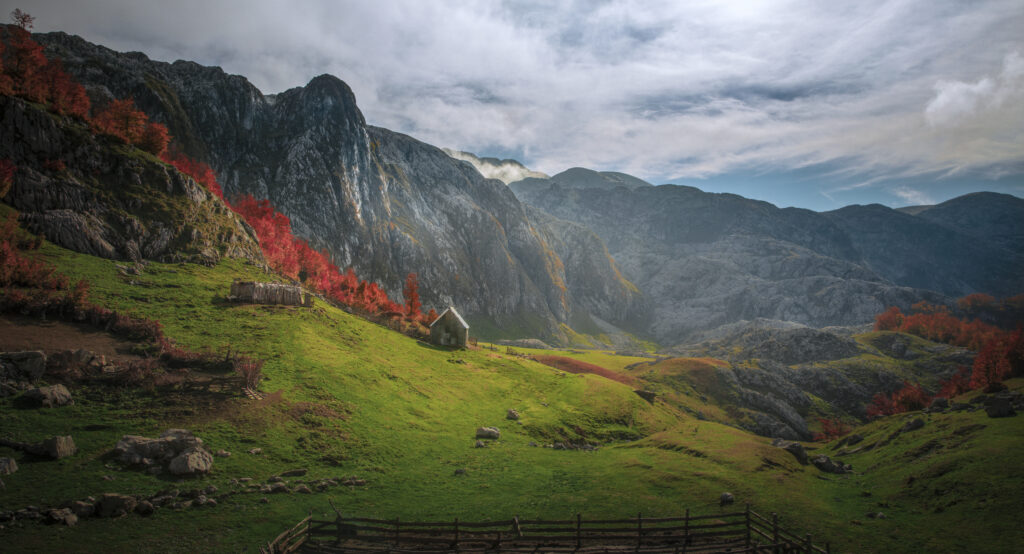
Stream of hot sulfuric water in the thermal baths of Permet Albania. Langarica Canyon, Kadiut Bridge
“Extending the tourism season is one of our main priorities, because Albania has much more to offer than summer beach tourism. The focus is on building a year-round destination by developing products that attract visitors in spring, autumn, and even winter.”
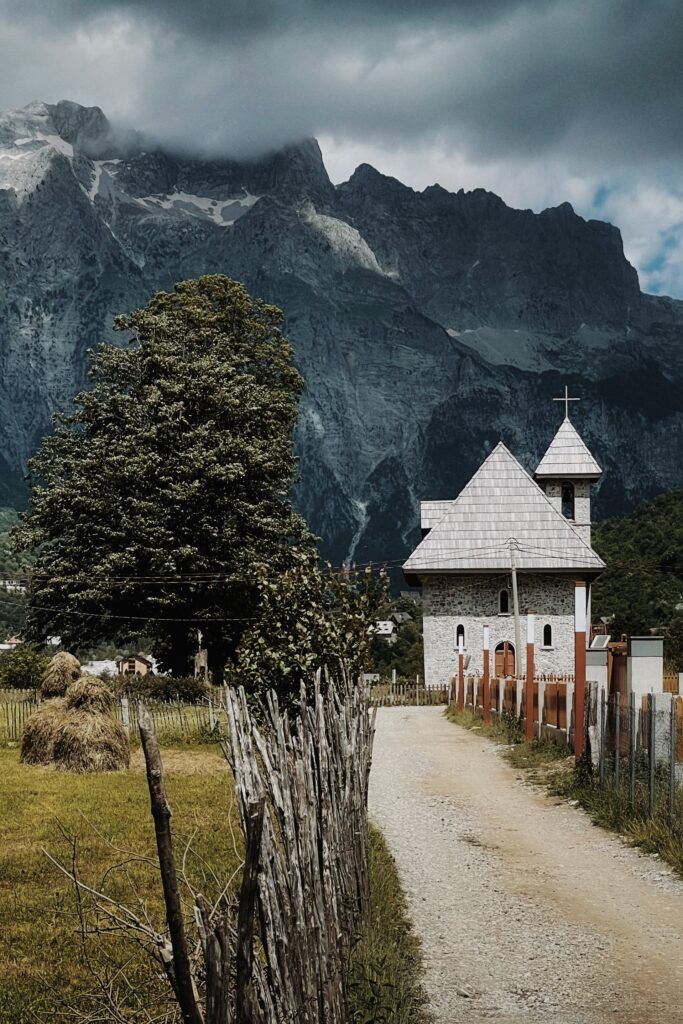
Q. One concern across the region has been labor shortages and wage pressures in tourism and hospitality. Has Albania experienced these challenges, and what policies or programs are in place to attract, train, and retain skilled workers in tourism?
A. Like many countries in the region, Albania has experienced pressure in the tourism labor market, especially during peak season. Rapid growth has increased demand for skilled workers in hospitality, services, and management, and this has naturally led to wage adjustments and stronger competition for talent.
Our response has been to address this in a structured and long-term way. A key priority is strengthening vocational education and training (VET), particularly through programs supported by the European Union and the Swiss Government, which are helping modernize curricula, improve training standards, and better align skills with market needs. These programs are also promoting dual education models, combining classroom learning with hands-on experience in hotels and tourism businesses.
We are also working closely with international partners such as UN Tourism to introduce new training initiatives, including the development of a Tourism Academy that focuses on professional skills, service quality, and management capacity in the sector.
At the same time, we are focusing on making tourism a more attractive long-term career. This includes improving working conditions, encouraging formal employment, and supporting businesses to invest in staff development. There is also a growing effort to engage young people and provide clear career pathways within the country.
In parallel, where needed, we are facilitating access to seasonal and specialized workers to support the industry during peak periods.
The aim is to ensure the sector’s rapid growth is matched by a skilled and professional workforce, capable of delivering the level of quality that today’s international visitors expect.
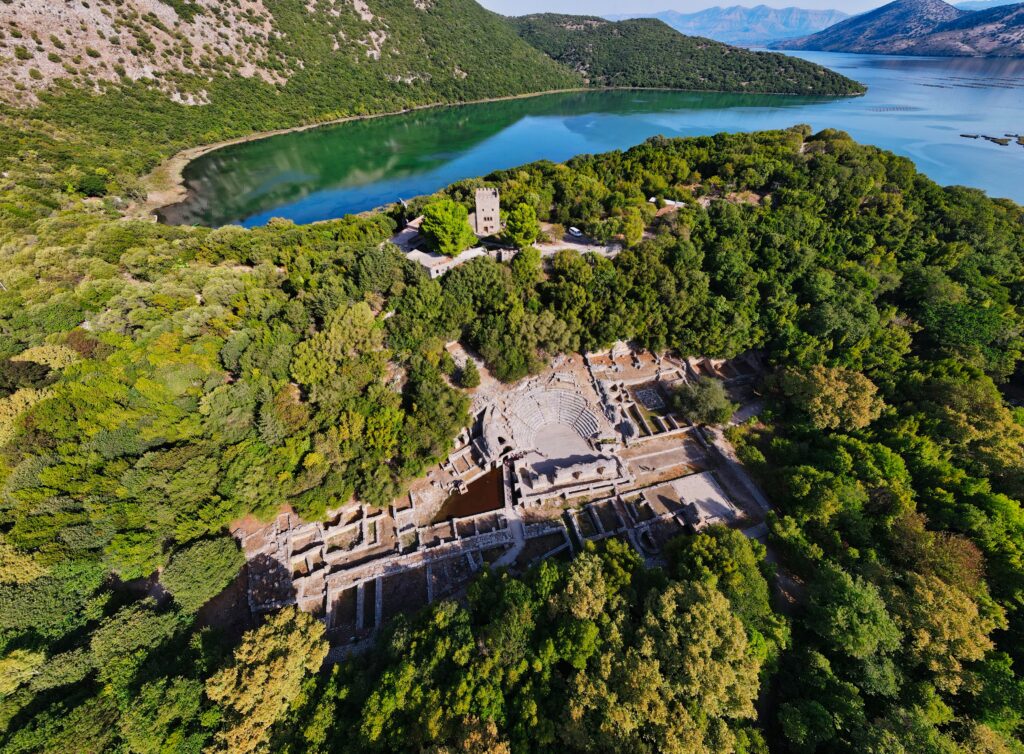
Q. Seasonality can limit the full potential of tourism economies. What steps are you taking to extend the tourism season and diversify offerings beyond summer beach tourism — for example, cultural tourism, adventure tourism, and events?
A. Extending the tourism season is one of our main priorities, because Albania has much more to offer than summer beach tourism. The focus is on building a year-round destination by developing products that attract visitors in spring, autumn, and even winter.
Cultural tourism is a key pillar. Cities like Berat, Gjirokastra, and Shkodra are increasingly attracting visitors outside the summer months, supported by heritage restoration, museums, and cultural programming. At the same time, we are promoting gastronomy and local experiences, which are not dependent on the season and create strong links with local communities.
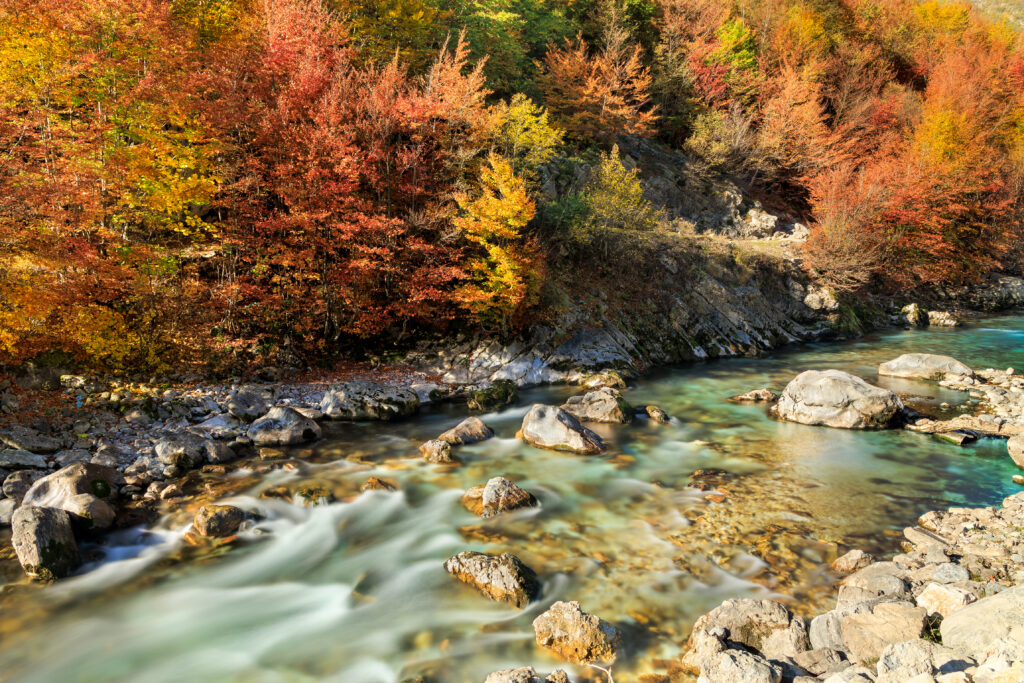
Nature and adventure tourism are also growing quickly. Albania’s mountains, national parks, and trails offer strong potential for hiking, cycling, and outdoor activities, particularly in shoulder seasons. This segment is attracting a different profile of visitors, often with longer stays and higher engagement with the destination.
Events are another important tool. We are supporting festivals, sports events, and cultural activities throughout the year, which help create reasons to visit beyond the peak season. This includes international events, but also smaller local initiatives that activate destinations year-round.
At the same time, improved connectivity through expanded flight routes and infrastructure makes it easier for visitors to travel outside the summer peak.
Q. With rapid growth comes environmental pressures. How is Albania balancing tourism expansion with sustainability — particularly in coastal areas, national parks, and UNESCO heritage sites?
A. As tourism grows, we are very aware of the pressure it can create, especially in coastal areas and sensitive sites. The approach is to keep development balanced, making sure that growth does not come at the expense of what makes Albania attractive in the first place.
Along the coast, the focus is on keeping development more controlled and improving basic infrastructure so that destinations can handle higher numbers without losing their character. In national parks, the idea is to make them accessible, but in a way that respects nature and avoids overuse.
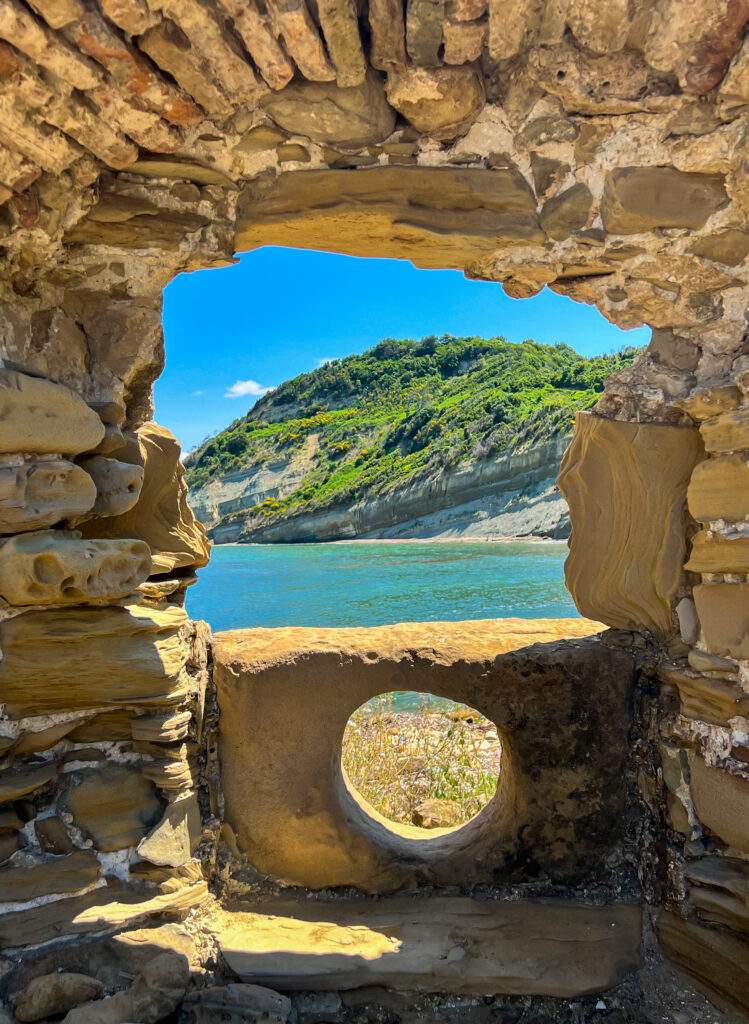
For heritage areas like Berat, Gjirokastra, and Butrint, the priority is always preservation. Tourism should support these sites, not put them at risk, so the focus is on maintaining their authenticity while improving the visitor experience.
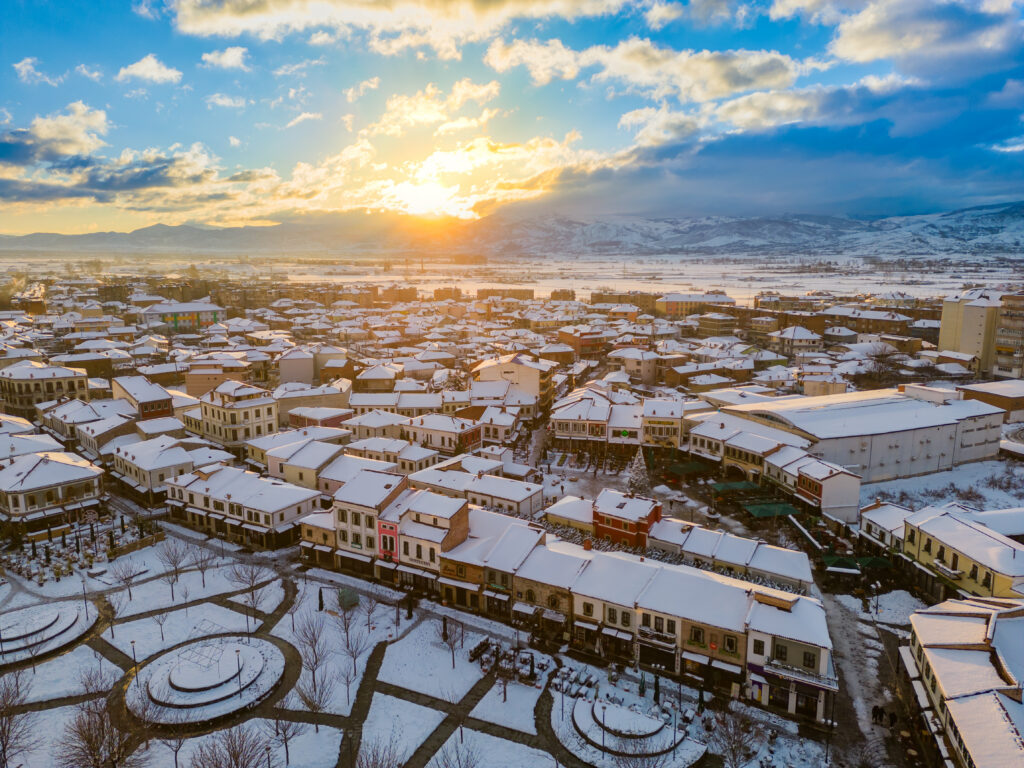
“Cultural tourism is a key pillar. Cities like Berat, Gjirokastra, and Shkodra are increasingly attracting visitors outside the summer months, supported by heritage restoration, museums, and cultural programming.”
Q. Tourism is a major growth engine, but what is your broader economic outlook for Albania? Are there specific sectors — manufacturing, technology, and green energy that you see as complementary drivers to diversify the economy?
A. Tourism is clearly one of the main causes of growth, but our broader economic outlook is focused on diversification and building a more resilient economy. The idea is not to rely on one sector alone, but to develop complementary industries that strengthen each other.
Technology and digital services are another emerging area. While still developing, they are gaining momentum, especially among younger professionals, and are increasingly seen as a key opportunity for innovation, outsourcing, and higher-value jobs.
Green energy is also a strategic priority. Albania already relies heavily on hydropower, and new investments in solar and wind are expanding the sector further, including major regional projects linking Albania with European energy markets.
What is important is how these sectors connect. Tourism creates demand for agriculture, food processing, construction, and services, while energy and infrastructure support long-term growth. The objective is to move toward a more balanced model, where multiple sectors contribute and reinforce each other, ensuring stable and sustainable economic development over time.
Q. The “Albania 2030” manifesto outlines an ambitious vision for the country’s economic transformation and EU integration. How does tourism fit into this long-term strategy, and what measurable goals has the government set for the sector by 2030?
A. Tourism is a central part of the Albania 2030 vision, closely linked to our broader goals of economic transformation, sustainable growth, and full EU membership. It is one of the sectors where Albania has a clear advantage and where progress translates quickly into jobs, investment, and improved living standards across the country.
Today, tourism is no longer just about summer or the coastline. It plays a wider role in supporting regional development, attracting foreign investment, and helping align Albania with EU standards, especially in areas like sustainability, green practices, and economic convergence.
“Tourism is a central part of the Albania 2030 vision, closely linked to our broader goals of economic transformation, sustainable growth, and full EU membership. It is one of the sectors where Albania has a clear advantage and where progress translates quickly into jobs, investment, and improved living standards across the country.”
In the National Tourism Strategy 2025–2030, tourism is positioned as a key pillar of this transformation. It contributes directly to economic growth through visitor spending, supports infrastructure development, creates skilled employment, and encourages the protection of natural and cultural assets. All these elements are closely aligned with the EU’s priorities on green transition, digitalization, and inclusive growth.
At the same time, there is a strong focus on spreading tourism more evenly across the year and across regions. By reducing seasonality and promoting inland and rural destinations alongside the coast, we are building a more resilient and balanced tourism model.
In this sense, tourism supports the bigger Albania 2030 vision by helping create a more diversified, modern economy that is better prepared to integrate into the European single market.